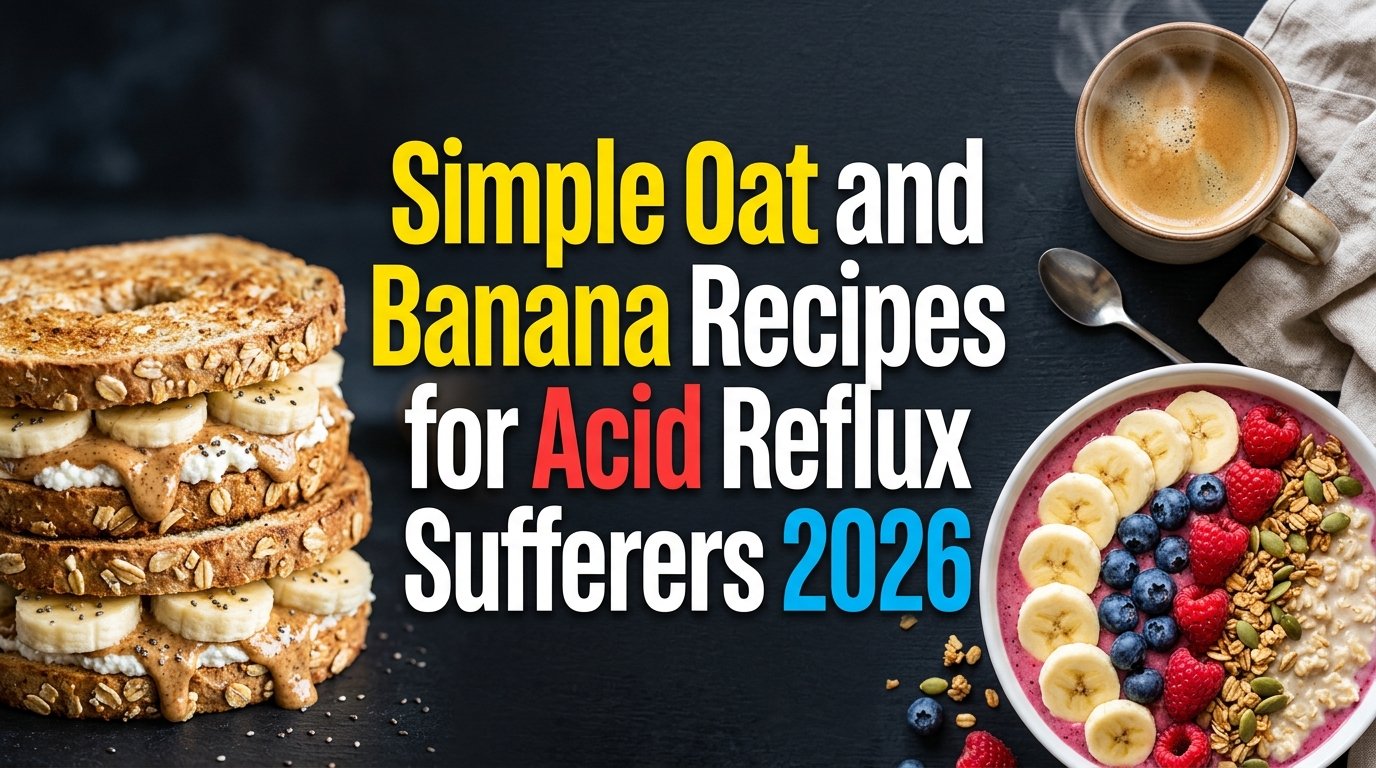
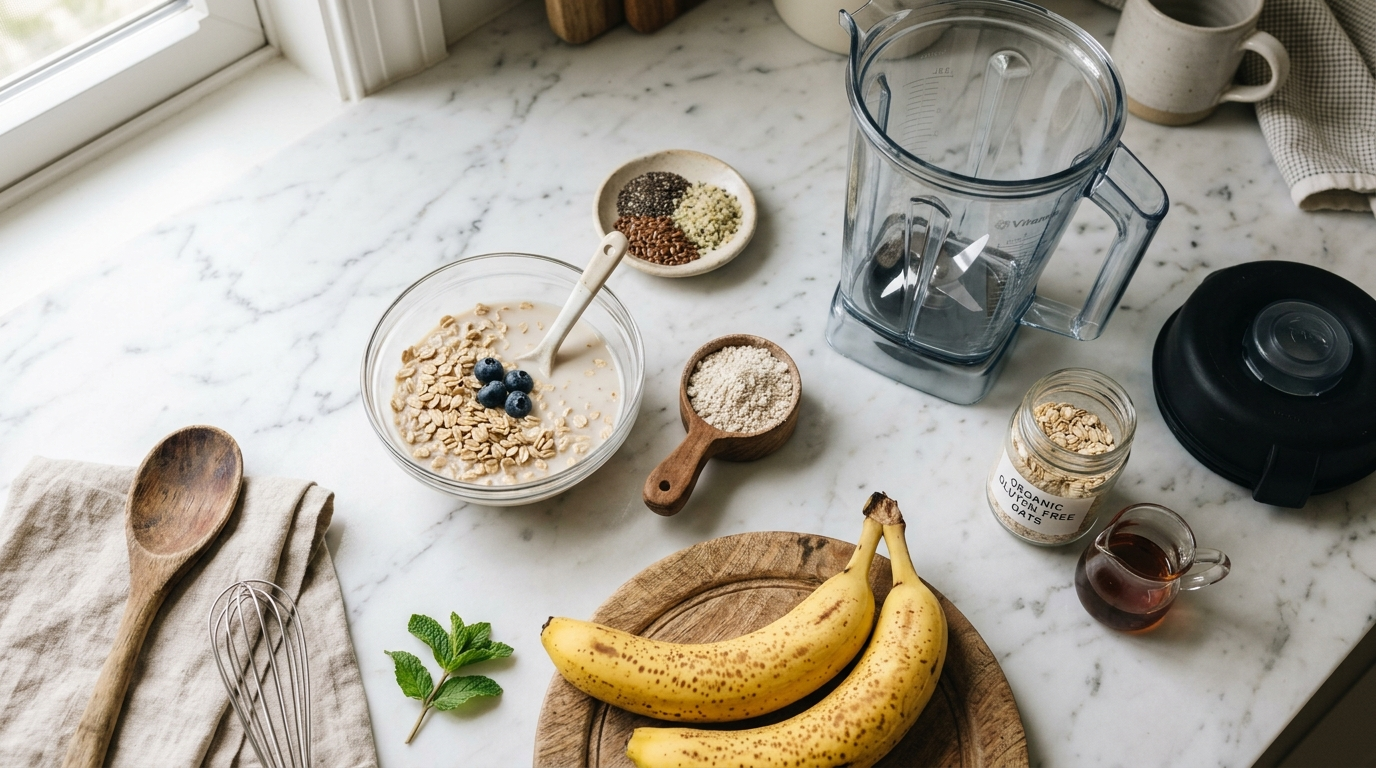
Finding simple oat and banana recipes for acid reflux sufferers transformed my miserable mornings after months of waking up with painful throat burn. You know that dreadful feeling when even a sip of water triggers heartburn? Bananas and rolled oats became my ultimate morning shield. They coat the stomach lining, absorb excess acid, and give your digestive system the calm, gentle rest it desperately craves every day.
Why Simple Oat and Banana Recipes for Acid Reflux Sufferers Work
Bananas register around a 5.0 on the pH scale, making them naturally low in acid to help neutralize uncomfortable stomach juices. Oats contain high amounts of beta-glucan, a soluble fiber that creates a thick, soothing barrier inside your digestive tract. This gelatinous fiber absorbs excess stomach acid while gently moving food through the intestine at an optimal pace. Combining these two foods provides steady, clean fuel without requiring your stomach pumps to work overtime.
Cooking with these staples provides essential vitamins, potassium, and magnesium without irritating sensitive esophageal tissue. That is why relying on simple oat and banana recipes for acid reflux sufferers offers dependable comfort when other breakfast options trigger painful symptoms. You get lasting satiety, balanced blood sugar, and zero burning sensations in your chest.
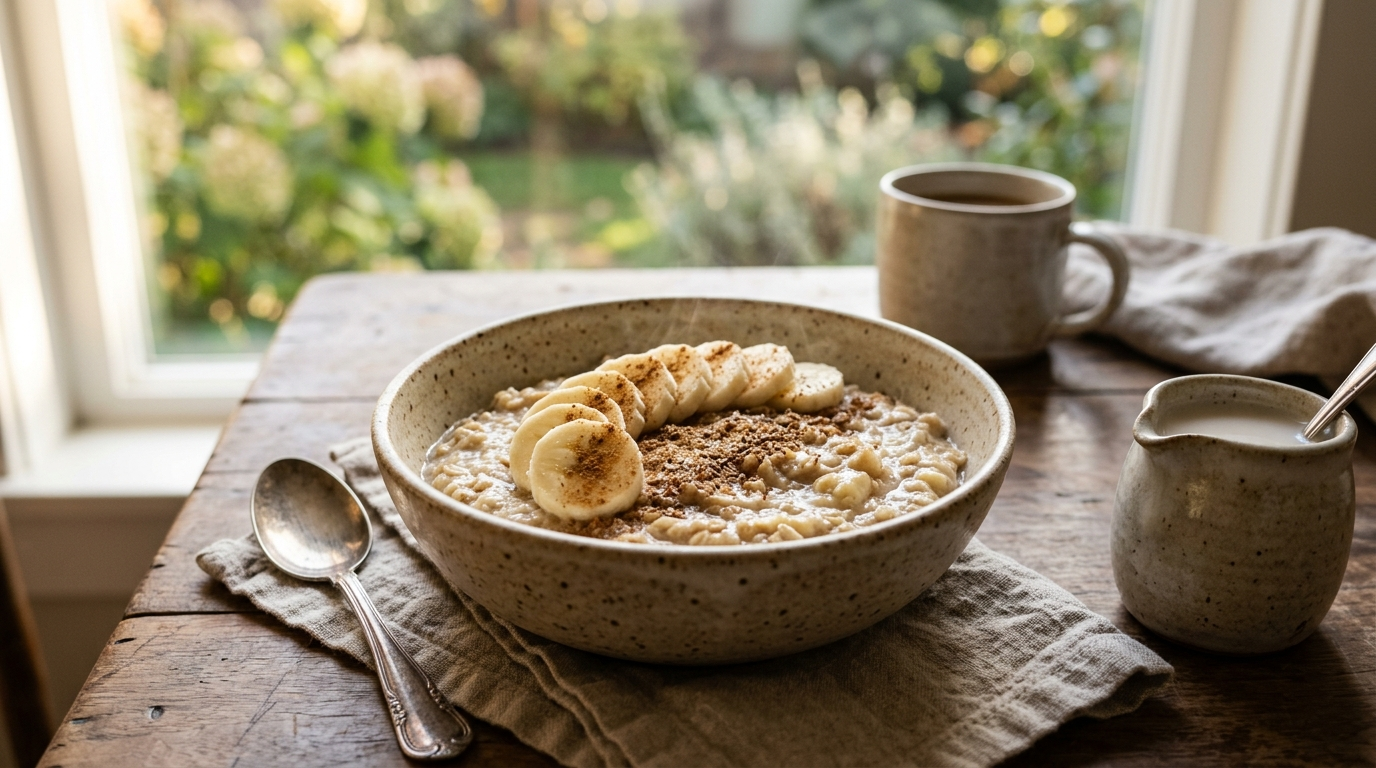
1. Creamy Cinnamon Banana Stove-Top Oatmeal
Simmering rolled oats in unsweetened almond milk with mashed ripe bananas creates a thick, soothing porridge that coats your esophagus. Ripe bananas provide natural alkalinity to help balance stomach pH levels while whole oats absorb harsh gastric juices before they rise.
I always mash half the banana directly into the liquid while cooking and slice the remainder over the top with a pinch of Ceylon cinnamon. Stirring in a spoonful of flaxseed meal right before serving adds soluble fiber without creating any irritating heaviness.
2. Two-Ingredient Baked Banana Oat Breakfast Cookies
Mashing two speckled bananas with a cup of quick oats creates a chewy, portable breakfast that requires zero refined sugar or dairy. The natural pectin in bananas binds the oats firmly as they bake, offering a solid breakfast for sensitive stomachs on hurried mornings.
Baking them for fifteen minutes at 350 degrees yields a soft texture that never sits like a lead brick in your digestive tract. I keep a batch in a glass container on my counter so I never skip breakfast, which IMO is the fastest way to trigger a nasty acid flare-up.
3. Overnight Almond Milk Banana Oats
Combining rolled oats, unsweetened almond milk, mashed banana, and pure vanilla extract in a mason jar yields an ultra-creamy breakfast without any cooking. Letting the oats soak overnight breaks down their starches, making them exceptionally easy for a delicate gut to process first thing in the morning.
Cold temperature foods can occasionally shock an inflamed esophagus, so I recommend pulling the jar from the fridge twenty minutes before eating. Stirring in pure maple syrup offers gentle sweetness without the high-fructose corn syrup that often triggers severe nighttime regurgitation.
4. Golden Turmeric Banana Oat Porridge
Whisking ground turmeric and a pinch of ginger into simmering banana oatmeal creates a deeply anti-inflammatory breakfast bowl. Turmeric helps reduce esophageal inflammation while the banana provides a naturally sweet base that offsets the earthy root spice.
This vibrant porridge works wonders when your throat feels raw from overnight acid exposure. I always use gluten-free rolled oats here to minimize any risk of bloating, which can press upward against the lower esophageal sphincter and cause painful heartburn.
5. Blender Banana Oat Pancakes
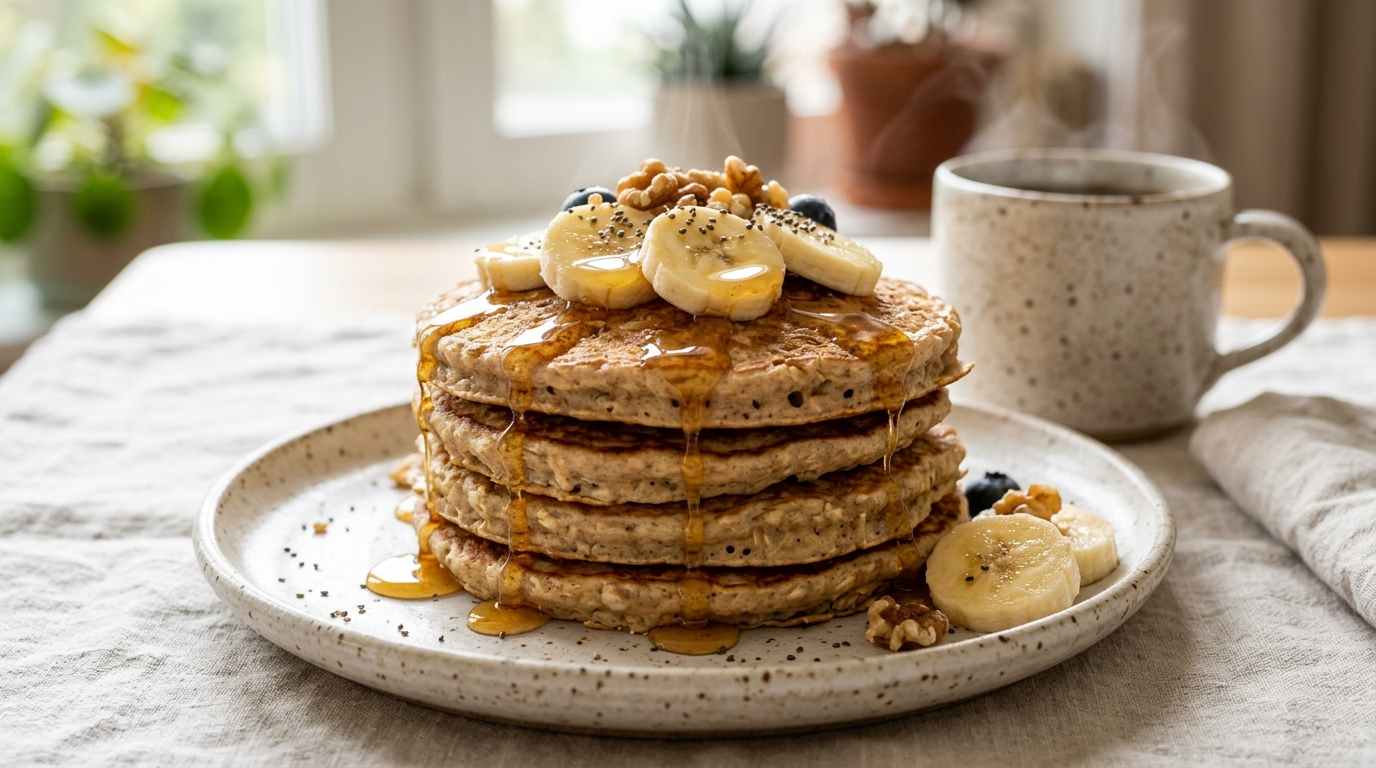
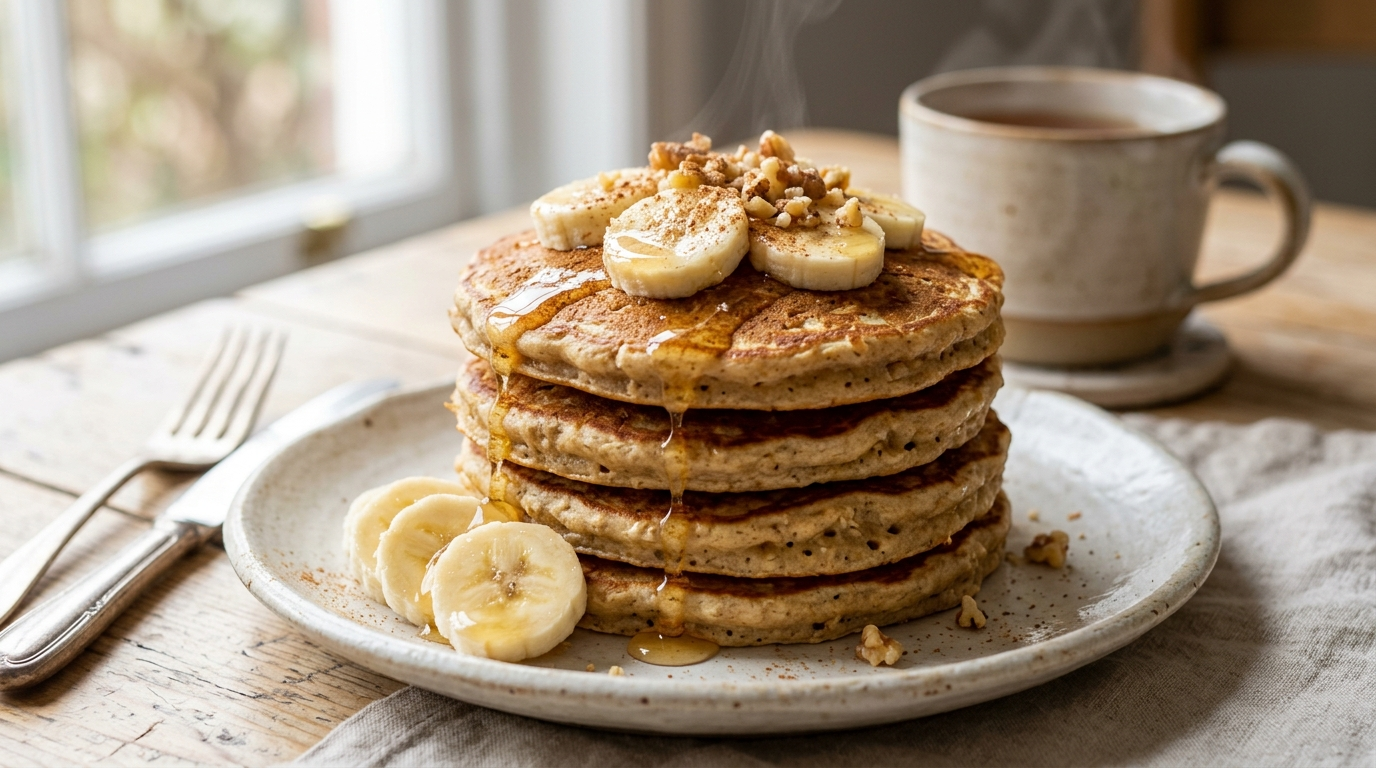
Blending whole oats, ripe bananas, an egg, and a splash of oat milk produces a fluffy pancake batter in thirty seconds flat. These pancakes completely avoid white flour and heavy butter, keeping the total fat content low enough to prevent delayed stomach emptying.
Cook them over medium-low heat on a ceramic griddle with just a light mist of avocado oil. Serving these with fresh banana slices and a drizzle of raw honey creates a comforting weekend brunch that will not ruin your afternoon.
6. Warm Banana Chia Oat Bake
Baking rolled oats with chia seeds, mashed bananas, and warm oat milk yields a soft, casserole-style breakfast that serves two people easily. Chia seeds form a gentle mucilage gel in your digestive tract, working alongside oat fiber to soothe irritated mucosal linings.
I like to prep this in an eight-inch ceramic baking dish on Sunday mornings for an effortless hot meal. Sprinkling raw pumpkin seeds over the top provides a satisfying crunch without the high fat content found in walnuts or macadamia nuts.
7. Soothing Banana Oat Smoothie with Fresh Ginger
Whizzing rolled oats, frozen banana slices, oat milk, and a tiny knob of fresh ginger creates a cooling, nutrient-dense breakfast drink. The finely ground oats thicken the beverage, allowing it to coat the stomach wall while fresh ginger actively suppresses nausea and gastric spasms.
Be careful to use only a dime-sized slice of ginger, as too much spice can backfire and irritate sensitive tissues. Adding a scoop of unflavored collagen peptides dissolves completely, giving you gut-healing amino acids without aggravating your reflux.
8. Toasted Pecan and Ripe Banana Oat Mug Cake
Mixing oat flour, mashed banana, a splash of almond milk, and a pinch of baking powder in a standard coffee mug creates a quick single-serve treat. Cooking it in the microwave for ninety seconds yields a moist, spongey cake that satisfies pastry cravings without acidic triggers.
Traditional bakeries load their pastries with butter and shortening, which relaxes your esophageal valve and sparks immediate pain. Tossing three chopped toasted pecan halves on top gives you rich bakery flavor while keeping total dietary fats safely minimal.
9. Slow Cooker Banana Steel Cut Oatmeal
Simmering dense steel cut oats with diced ripe bananas, water, and vanilla bean paste on low heat for six hours produces an incredibly hearty porridge. Steel cut oats undergo less processing than quick oats, delivering a lower glycemic index that keeps digestion smooth and steady.
Setting your crockpot on low before bed means you wake up to a fragrant kitchen and a breakfast that is already fully cooked. Stirring in a splash of warm oat milk right before dishing it out ensures a silky texture that slides down comfortably.
10. Steamed Banana Oat Custard Cups
Whisking mashed banana with oat milk, rolled oats, and a single egg yolk creates a velvety custard mixture that cooks gently in silicone ramekins. Steaming on the stovetop preserves maximum moisture, making this dish incredibly soft and effortless to swallow during severe flare-ups.
I developed this gentle recipe when my reflux was so severe that solid toast felt like swallowing broken glass. A single drop of pure vanilla extract enhances the natural banana flavor without requiring acidic flavorings like lemon zest or citrus juices.
Common Trigger Ingredients to Keep Out of Your Oats
Standard breakfast recipes frequently sneak in ingredients that irritate delicate stomachs and trigger reflux episodes. Dairy milk and heavy cream contain saturated animal fats that slow down stomach emptying and increase upward pressure. Acidic toppings like strawberries, citrus fruits, and pineapple can immediately undo the soothing benefits of bananas and oats. Chocolate chips, cocoa powder, and peppermint extracts relax the lower esophageal sphincter, allowing stomach acid to rise freely.
Excessive spices like store-bought pumpkin spice blends can also burn an already sensitive stomach lining. Stick to mild seasonings like ground Ceylon cinnamon and pure vanilla, and always opt for plant-based milk alternatives such as unsweetened oat or almond milk. Keeping your ingredient profile simple guarantees consistent, painless digestion.
How to Prep Oats for Maximum Reflux Relief
Testing different simple oat and banana recipes for acid reflux sufferers over the years proved that proper preparation is essential for easy digestion. Undercooked, dry oats can swell rapidly in the stomach, creating physical pressure against your diaphragm. Soaking your oats in warm water or almond milk for ten minutes before cooking helps break down stubborn starches.
Always cook your oats until they become thoroughly soft, creamy, and uniform in texture rather than coarse. If you struggle with frequent indigestion or gas, pick certified gluten-free oats to eliminate digestive irritation from stray grains. Grinding rolled oats into fine oat flour using a standard blender is another easy way to lighten the digestive workload on your stomach. These minor cooking adjustments keep your digestive tract calm from the first bite.
Frequently Asked Questions
Are simple oat and banana recipes for acid reflux sufferers safe for daily eating?
Eating oats and bananas daily is exceptionally safe and highly beneficial for managing chronic acid reflux. Both ingredients provide gentle soluble fiber that supports gut health without stimulating excessive stomach acid production. They keep you full for hours while acting as a natural buffer against painful daytime heartburn.
Can green bananas cause worse acid reflux than ripe bananas?
Unripe or green bananas contain high amounts of resistant starch, which can cause bloating and gas in sensitive individuals. Gas creates internal pressure that pushes stomach acid upward into your esophagus. Always select yellow bananas with small brown sugar spots for the sweetest flavor and easiest digestion.
Which plant milk is best for preparing reflux-friendly oatmeal?
Unsweetened almond milk and plain oat milk are the best options for sensitive stomachs. They have an alkaline pH and contain virtually no saturated fat, which prevents stomach irritation. Avoid dairy milk, soy milk, and full-fat canned coconut milk, as higher fat contents frequently trigger acid regurgitation.
Is steel cut oatmeal better than rolled oats for acid reflux?
Both varieties offer incredible benefits, but rolled oats cook faster and break down into a softer texture that is gentler on an inflamed esophagus. Steel cut oats offer a lower glycemic index and longer satiety, but you must cook them thoroughly so they do not cause digestive heaviness.
Can I add protein powder to my banana oat recipes?
You can add protein powder, but choose carefully. Whey concentrates and artificial sweeteners frequently trigger severe heartburn and bloating. Opt for plain, unflavored egg white protein or plant-based pea protein powder, and blend it thoroughly into your porridge with extra liquid to keep the texture smooth.
Conclusion
Living with chronic heartburn is exhausting, but eating breakfast should never feel like playing Russian roulette with your esophagus. These comforting meals prove you can soothe your stomach without giving up rich textures and delicious morning routines. Which of these gentle oat and banana bowls will you make tomorrow morning?
Leave a Reply